Source: Rhino Car Hire
For those of you just thawing out from the UK, European and US big freezes, you'll be pleased to hear that 2010 was the warmest year on record, joining 1998 and 2005 as record breakers.
That may not come as much consolation to those who suffered personal loss in flooding in Australia, Germany, Pakistan, Brazil etc but it is an indication of how topsy-turvy the world’s climate can be.
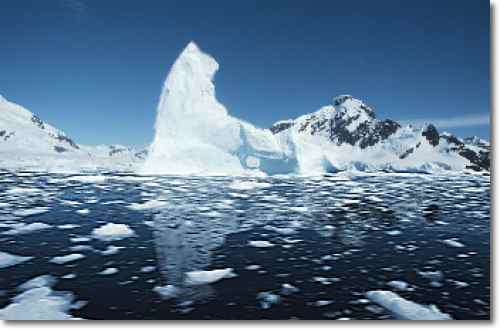 On average the year was just over half a degree warmer than the 50 year mean which is used as a baseline. Records were broken in many countries and not just for heat and drought although Cyprus recorded its hottest August temperature of 46.1 Celsius along with many other countries across the world.
The data was collected from a series of systems including ocean buoys, satellites and weather stations across the world and according to scientists confirms the trend for the earth’s mean temperature rising.
The World Meteorological Organisation noted that the hottest years have all happened in the last decade and a half.
The year broke other records including the lowest extent of Arctic ice since satellite measurements started and the warmest summer for Northern Canada and Greenland, leading to huge glacial water loss. Russia had a prolonged heatwave and drought destroying much of their food crops and the Amazon Rainforest suffered from a lack of rain!
So why then did temperatures also set record lows and rainfall, floods and hurricane winds all break records too?
The record lows came about following a change from an El Nino condition to a La Nina condition part way through the year. Up to that point scientists were convinced it would be a record warm and dry year but then the change in ocean currents dropped the world average temperature by half a degree and weather patterns changed.
Warm seas evaporated a lot of moisture which fed violent storms and water laden clouds condensed the evaporation to fall as record rainfall causing widespread flooding. Combined with another change to warmer conditions over Europe this led to a rapid melt of early winter snow and huge volumes of water fed into rivers.
The prevalence of a La Nina event as we move into 2011 has led scientists to believe that this year will be cooler than the average with quieter weather patterns across the globe. For the sake of those who suffered in 2010, we can but hope.