Source: mongabay.com
Ecuador's big idea—potentially Earth-rattling—goes something like this: the international community pays the small South American nation not to drill for nearly a billion barrels of oil in a massive block of Yasuni National Park. While Ecuador receives hundred of millions in an UN-backed fund, what does the international community receive? Arguably the world's most biodiverse rainforest is saved from oil extraction, two indigenous tribes' requests to be left uncontacted are respected, and some 400 million metric tons of CO2 is not emitted from burning the oil. In other words, the international community is being asked to put money where its mouth is on climate change, indigenous rights, and biodiversity loss.
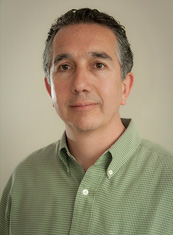
David Romo Vallejo, professor at the University of San Francisco Quito and co-director of Tiputini research station in Yasuni, recently told mongabay.com in an interview that this is "the best proposal so far made to ensure the protection of this incredible site."
He adds that the plan, dubbed the Yasuni-ITT Initiative, could have global consequences: "[It is] a very important message that we Ecuadorians are sending to the World since we are trying to demonstrate that there is an alternative to extractivism."
Still, the initiative isn't moving quickly or boldly enough, according to Romo Vallejo. He says there is "a lack of strong determination" from the Ecuadorian government.
"Our president should be out there in charge of the negotiations, but instead he put the vice-president in charge. We need support also from countries like the US, and some European countries," he says.
Over the years the initiative has been plagued with ups and downs. Several times cancellation of Yasuni-ITT seemed imminent. As of today the initiative still stands, but it needs financial backing—and a lot of it—if it's not to fail. Ecuador is asking for $100 million by the end of 2011 and $3.6 billion in total.
Oil and Ecuador have long been uneasy bedfellows. While oil is one of the backbones of the Ecuadorian economy, it has come with a host of environmental and social problems: from deforestation to pollution to conflict with indigenous tribes.
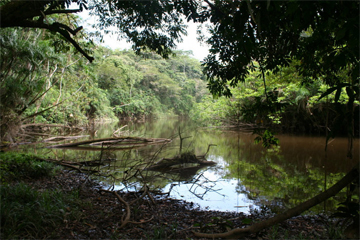
Romo Vallejo, who works with indigenous groups in the Yasuni region, says that they have faced the brunt of harm from the quest for black gold. Oil in the region has forced indigenous people to speed up the "acculturation process" according to Romo Vallejo.
"Local peoples are forced to change their normal behavior and they are not able to go back to what they used to be. This is by far the worst problem since many of these people end up using the forest to fulfill their new needs and their damage is almost impossible to change or stop."
The arrival of big oil in Yasuni has made it so there is "no going back for the Kichwa or the Waorani," Romo Vallejo says. "They know it, but most NGOs, development agencies and the local and country government just do not see this."
Given that the damage is done for these indigenous groups, Romo Vallejo says what is needed now are investments in education for the indigenous people so they can decide their own fate.
In a November 2010 interview with mongabay.com, David Romo Vallejo talked with mongabay.com about the Yasuni-ITT Initiative, the impacts of the oil industry in Ecuador, and the difficulties facing indigenous groups.